
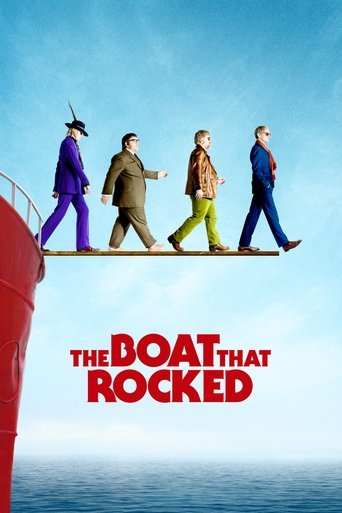
 The Boat That Rocked2009 · Film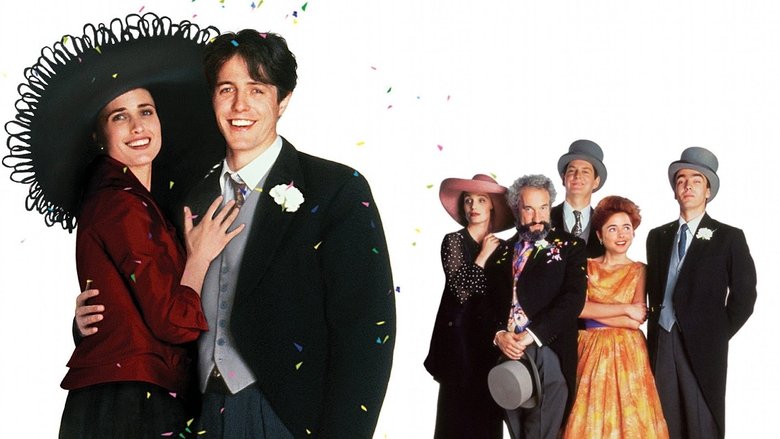

EE3
EE3
103 films and 127 series from Britain, each with its cast, its episodes and a Watch now button.
Top rated
See all (23)The Boat That Rocked2009 · Film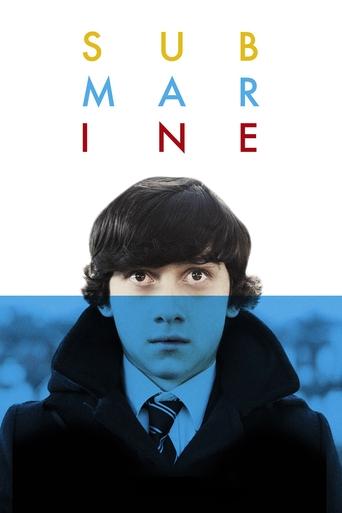 Submarine2011 · Film
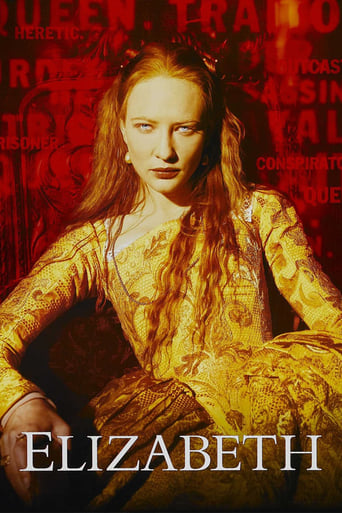 Elizabeth1998 · Film
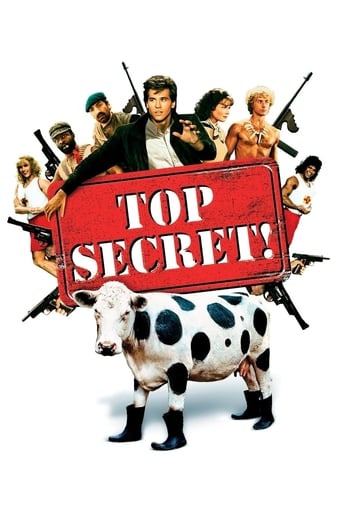 Top Secret!1984 · Film
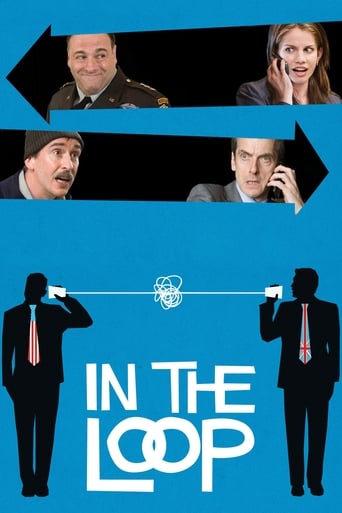 In the Loop2009 · Film
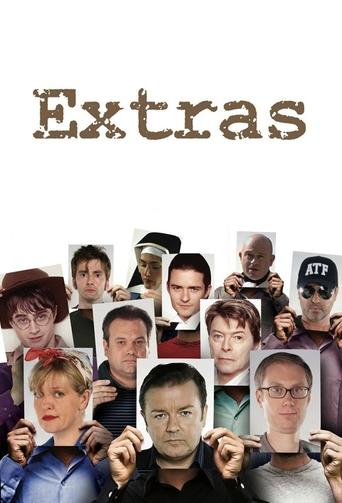 Extras2005 · Series
Series
See all (127)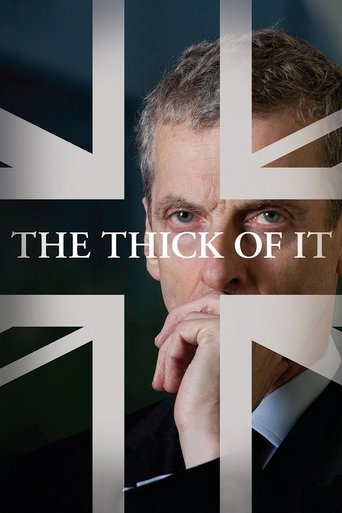 The Thick of It2005 · Series
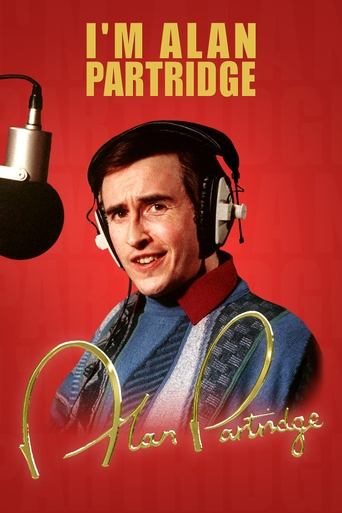 I'm Alan Partridge1997 · Series
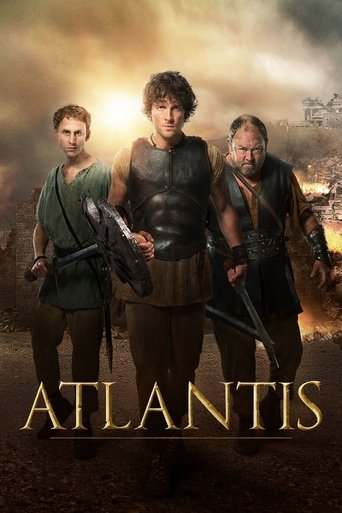 Atlantis2013 · Series
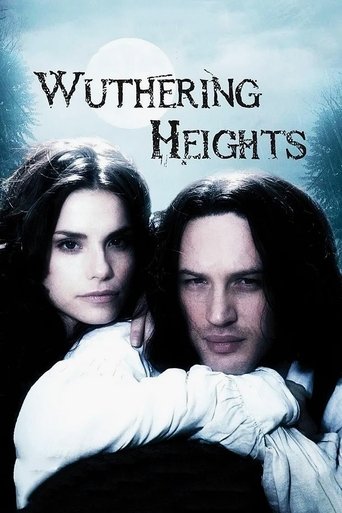 Wuthering Heights2009 · Series
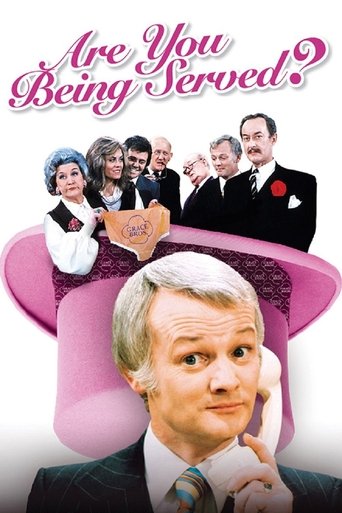 Are You Being Served?1972 · Series
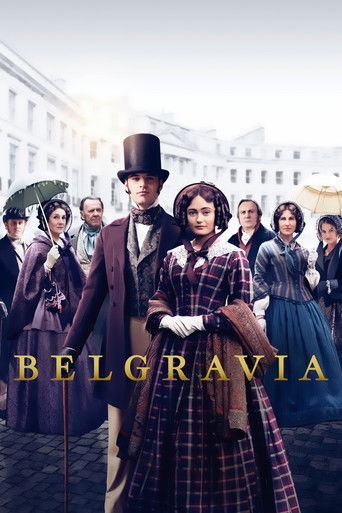 Belgravia2020 · Series
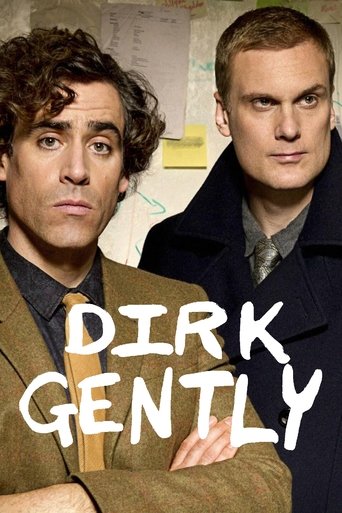 Dirk Gently2012 · Series
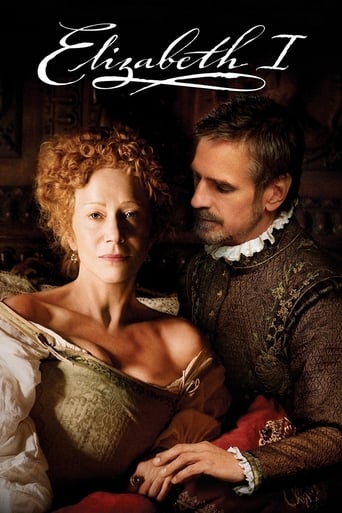 Elizabeth I2005 · Series
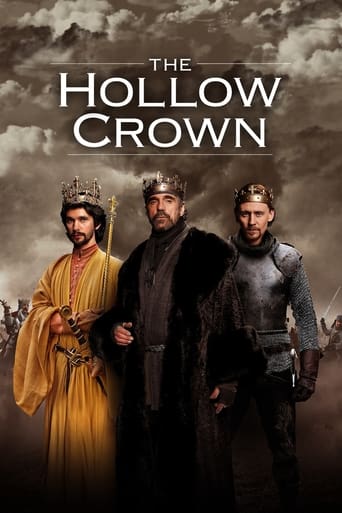 The Hollow Crown2012 · Series
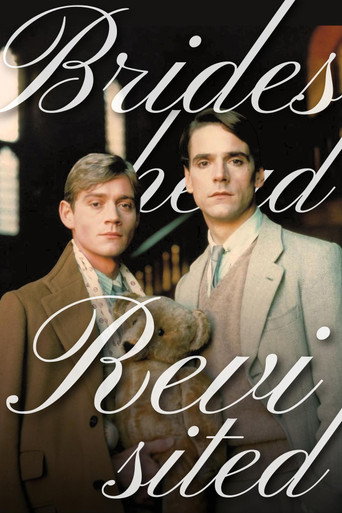 Brideshead Revisited1981 · Series
 Outcasts2011 · Series
 The Day Today1994 · Series
Films
See all (103)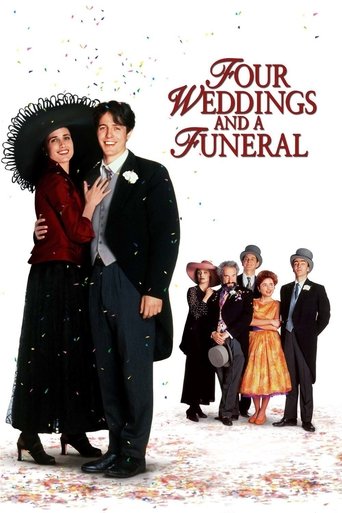 Four Weddings and a Funeral1994 · Film
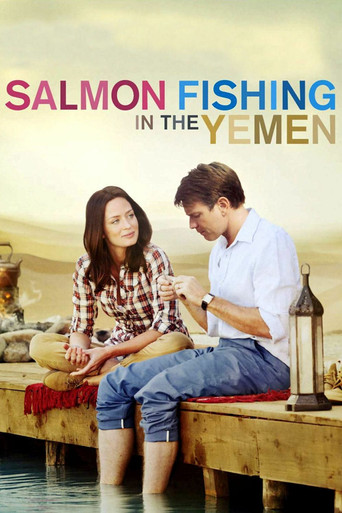 Salmon Fishing in the Yemen2012 · Film
 Death to 20202020 · Film
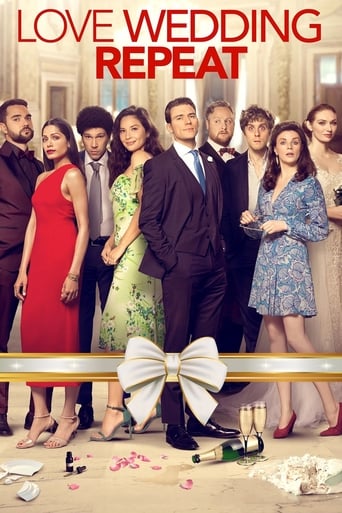 Love Wedding Repeat2020 · Film
 Bridget Jones: Mad About the Boy2025 · Film
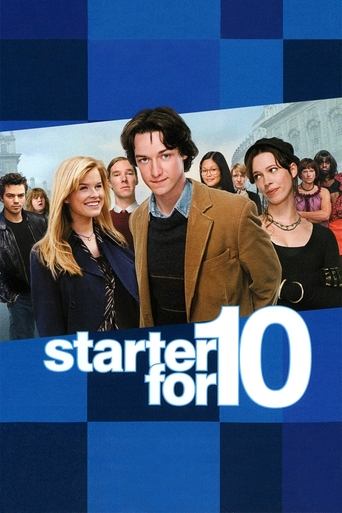 Starter for 102006 · Film
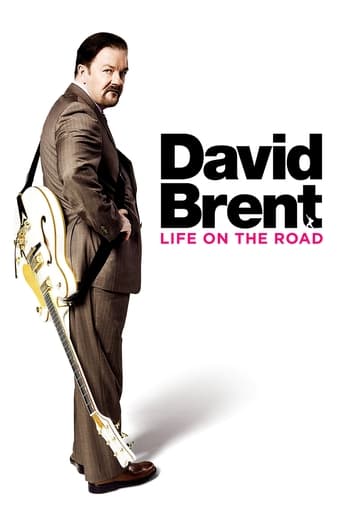 David Brent: Life on the Road2016 · Film
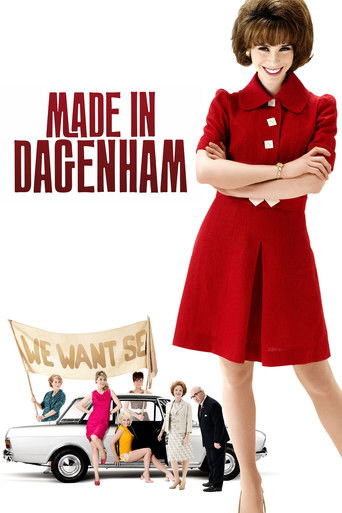 Made in Dagenham2010 · Film
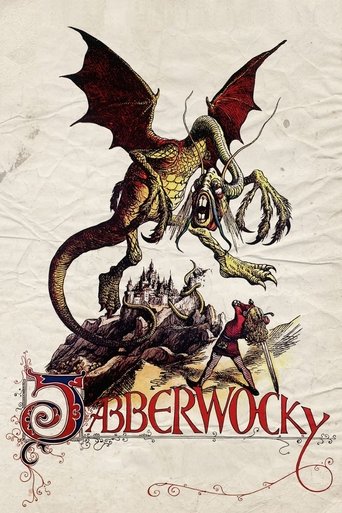 Jabberwocky1977 · Film
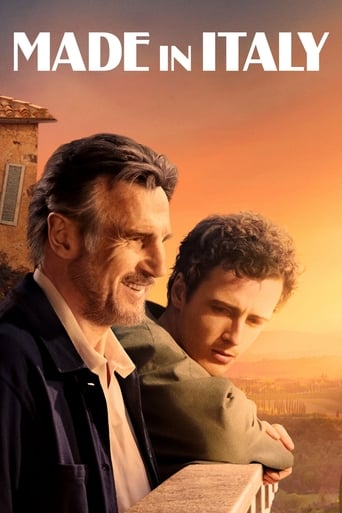 Made in Italy2020 · Film
 Race for Glory: Audi vs. Lancia2024 · Film
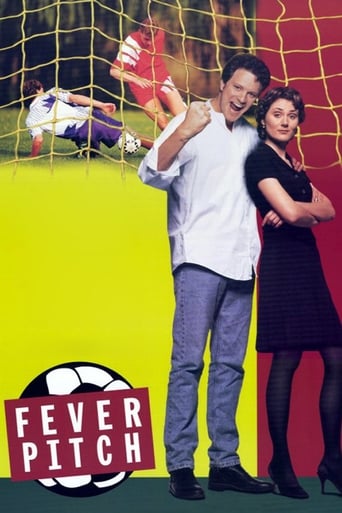 Fever Pitch1997 · Film
Comedy
See all (147)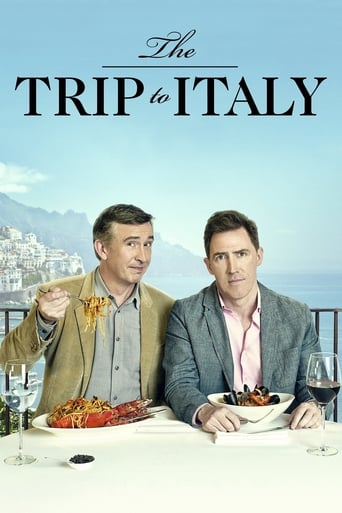
Period drama
See all (41)

The EE3 guide to British films and series
EE3: British films and series from Four Weddings and a Funeral, Top Secret! and The Boat That Rocked to The Thick of It, Extras, Brideshead Revisited and Cold Feet
British screen culture has two great strengths that the rest of the world has long admired: the half-hour comedy and the literary serial. One gave us department-store assistants, seedy landlords, radio presenters in roadside hotels and government spin doctors; the other gave us Brideshead, Barchester and a dozen versions of Dickens. Around them grew a film industry that excels at romantic comedy, at small true stories and at films about people putting on a show. EE3 is a guide to 103 films and 127 series made in Britain between 1967 and 2026, chosen to show that tradition at its most enjoyable.
The 127 series have 2,031 episodes between them, and the 103 films run for about 168 hours. A hundred and forty-seven of the 230 titles are comedies of one kind or another, seventy-seven of them sitcoms and sketch shows. Forty-one are period dramas, forty come from books, twenty-nine are love stories, twenty-one are science fiction or fantasy and ten are Christmas films and specials. Sixty-four of the series ran for a single season, which makes them easy to finish in a week.
Every title has a page of its own with the year, the principal cast, a summary and a Watch now button, and each series page lists its episodes season by season with their dates. The button opens JustWatch for the country you choose and shows the official services that carry the title there. The how to watch page sets out the three steps. This guide walks through the collection shelf by shelf and suggests where to begin.
What EE3 is
EE3 is a guide rather than a broadcaster. It tells you what each film or series is, who made it and who appears in it, and then passes you to the services that hold the rights. The catalogue was put together by hand, one summary at a time, with a household audience in mind. Comedy, costume drama, literary adaptation, romance, biography and family adventure make up nearly all of it. Crime serials, war stories and horror were set aside, as were titles with adult themes, so that the shelves can be browsed with confidence.
The collection is spread across six decades. Sixteen titles date from 1967 to 1979, sixty-eight from the 1980s and 1990s, seventy-seven from 2000 to 2014 and sixty-nine from 2015 onward. The oldest is At Last the 1948 Show, first broadcast in 1967; the newest are Dear England and Glenrothan, both from 2026. A viewer can follow a performer such as Jim Broadbent or Julie Walters across thirty years of work, or compare two generations' versions of the same novel.
Britain here means England, Scotland, Wales and Northern Ireland, and the selection tries to reflect all of them. There are films set in Cumbernauld, Swansea, Carmarthen and the Hebrides, and series set in Newcastle, Manchester, Liverpool, Leeds, a Welsh mining valley and a Norfolk seaside town, alongside the expected London streets and country houses.
How the pages are arranged
The home page opens with a wide panel of stills behind the name and the main heading, with buttons leading to the series, the films and the top rated. Below it come five rows of posters: Top rated, Series, Films, Comedy and Period drama. Each poster has rounded corners and lifts slightly with a pink outline when the pointer rests on it, and beneath each is the title, the year and a word saying whether it is a film or a series.
The bar across the top holds the name, round links to Series, Films, Comedy, Period drama, From books, Top rated and the A to Z, a search field and a pink My List button. On a telephone the links fold into a menu opened by the button with three lines. Every row heading has a See all link showing how many titles the full shelf contains.
A title page shows the poster, the year, the rating from TMDB, the summary and the cast, with the Watch now button and the country selector beside it. A series page adds its seasons, each with a list of numbered episodes and their first broadcast dates, so it is easy to see how long a commitment a series will be before starting.
Sitcoms of the 1970s
The British sitcom reached a kind of perfection in the 1970s, when two channels shared an audience of twenty million and a good half-hour was repeated for decades. Are You Being Served? is the best known abroad. Written by Jeremy Lloyd and David Croft and set on the clothing floor of the Grace Brothers department store, it ran for ten series and sixty-nine episodes, with Mollie Sugden as Mrs Slocombe of the ladies' department, John Inman as Mr Humphries of menswear, and Frank Thornton as the floor-walker Captain Peacock. Its comedy of rank, routine and wounded dignity is as English as a queue.
Rising Damp is by common consent one of the finest of all. Leonard Rossiter plays Rigsby, the suspicious, miserly landlord of a run-down boarding house, forever hovering at the doors of his tenants: the refined Miss Jones, played by Frances de la Tour, the medical student Alan, played by Richard Beckinsale, and Philip, played by Don Warrington, whose calm superiority always defeats Rigsby. Eric Chappell wrote all twenty-eight episodes. He also wrote Only When I Laugh, set in a hospital ward where three long-term patients, played by James Bolam, Peter Bowles and Christopher Strauli, pass the time in rivalry.
The Liver Birds, created by Carla Lane, follows two young women sharing a flat in Liverpool, and with eighty-five episodes it is among the longest comedies here; Nerys Hughes and Polly James are the pair most viewers remember. Robin's Nest continues the story of the chef Robin Tripp, played by Richard O'Sullivan, as he opens a bistro, and You're Only Young Twice gives Peggy Mount a retirement home to dominate. Earliest of all is At Last the 1948 Show, the sketch series in which John Cleese, Graham Chapman, Tim Brooke-Taylor and Marty Feldman worked out much of what British comedy would become. Wodehouse Playhouse adapts the short stories of P. G. Wodehouse, with John Alderton and Pauline Collins.
The 1980s and 1990s: romance, work and Victoria Wood
In the 1980s the sitcom turned towards courtship and class. Just Good Friends, written by John Sullivan, reunites Vince and Penny, played by Paul Nicholas and Jan Francis, five years after he left her waiting at the church, and follows them through twenty-two episodes of an on-and-off romance. A Fine Romance stars Judi Dench and her husband Michael Williams as a shy translator and a landscape gardener pushed together by her sister. Brush Strokes follows Jacko, a cheerful house painter in south London, across forty episodes.
Other favourites of the decade pair strong personalities under one roof. In Home to Roost, John Thaw is a divorced man whose teenage son arrives to stay. In Three Up, Two Down, a snobbish widow and a cockney widower share the basement of their children's house. In Executive Stress, Penelope Keith returns to publishing and finds herself working alongside her own husband. Surgical Spirit, with Nichola McAuliffe as a sharp-tongued surgeon, ran for fifty episodes, and Outside Edge sets Brenda Blethyn and Timothy Spall among the members of a village cricket club.
The most loved comic writer of the period was Victoria Wood, and three of her creations are here. Acorn Antiques began as a spoof of low-budget daily drama within her sketch show, with wobbling scenery, missed cues and Julie Walters as the stooped tea lady Mrs Overall. Victoria Wood is a set of six half-hour comedies from 1989. Her masterpiece, dinnerladies, is set entirely in the canteen of a Manchester factory; she wrote all sixteen episodes and played Bren, the kindly deputy manager, among a cast that included Anne Reid, Thelma Barlow, Maxine Peake and Celia Imrie.
The 1990s also brought Cold Feet, which follows three couples in Manchester through marriage, children and friendship. It began in 1998, returned in 2016, and runs here to sixty-one episodes, with James Nesbitt, John Thomson, Fay Ripley, Hermione Norris and Robert Bathurst growing older alongside their audience. Smack the Pony, an award-winning sketch show written and performed by women, and Hippies, a comedy about an underground magazine in 1969 with Simon Pegg, close the decade.
Satire and the mock documentary
A new kind of comedy arrived in 1994 with The Day Today, a parody of television news so exact in its graphics, music and solemn nonsense that it changed how viewers saw the real thing. Chris Morris anchored it, Armando Iannucci produced it, and its sports reporter, the insecure Alan Partridge, played by Steve Coogan, went on to a career of his own. In I'm Alan Partridge he is a former chat-show host living in a roadside hotel outside Norwich, presenting an early-morning radio slot and pitching ever more desperate programme ideas, with his loyal assistant Lynn at his side. Both series hold ratings above 7.4 here.
Iannucci went on to create The Thick of It, set in a minor government department where ministers lurch from announcement to retraction under the eye of the party's ferocious director of communications, Malcolm Tucker, played by Peter Capaldi. Shot with hand-held cameras and partly improvised, it ran for four series and twenty-one episodes and is rated 8.1. Its cinema spin-off, In the Loop, takes Tucker to Washington and earned an Academy Award nomination for its screenplay. The Amazing Mrs Pritchard imagines a gentler politics, with Jane Horrocks as a supermarket manager who becomes prime minister.
Ricky Gervais and Stephen Merchant followed their first success with Extras, about a background actor, Andy Millman, and his friend Maggie, played by Ashley Jensen, working on film sets where famous guests play unflattering versions of themselves. Gervais returned to his best-known character in David Brent: Life on the Road. The mock documentary continues in Cunk on Life, in which Diane Morgan's Philomena Cunk asks distinguished professors magnificently foolish questions, and in Death to 2020, a comic review of a difficult year. The Trip to Italy and The Trip to Greece send Steve Coogan and Rob Brydon on restaurant tours that are really duels of impressions. The satire page lists them together.
Comedy since 2000
Recent British comedy is quieter and more varied. 15 Storeys High, written by and starring the late Sean Lock, is set in a south London tower block and has become a cult favourite, rated 8.1. The Smoking Room stays in the break room of an office from first scene to last. Fortysomething stars Hugh Laurie as a doctor in a mid-life muddle, with a young Benedict Cumberbatch as one of his sons. Love Soup, written by David Renwick, follows Tamsin Greig as a perfume-counter manager looking for a soulmate, and Sensitive Skin gives Joanna Lumley a thoughtful role as a woman of sixty taking stock.
Several series find comedy in public service. Getting On, written by and starring Jo Brand, Vicki Pepperdine and Joanna Scanlan, is set on a hospital ward for elderly women and was directed in its early series by Peter Capaldi. Damned takes Brand and Alan Davies into a social services office. Whites is set in the kitchen of a country-house hotel, and Ambassadors sends David Mitchell and Robert Webb to a British embassy in central Asia.
Family and age are constant subjects. Roger & Val Have Just Got In spends each episode on the first half-hour after a couple, played by Alfred Molina and Dawn French, arrive home. Boomers and Hold the Sunset are about retirement, the second with Alison Steadman and John Cleese. The Old Guys pairs Roger Lloyd Pack and Clive Swift as housemates. Hebburn, The Cockfields, The Kennedys and Mount Pleasant are warm portraits of family life in the north-east, the Isle of Wight, a 1970s new town and Manchester. Newest are Amandaland, with Lucy Punch and Joanna Lumley, Avoidance with Romesh Ranganathan, and Home, in which a family returns from holiday to find a Syrian teacher named Sami in the boot of the car and makes room for him. The sitcom page gathers all seventy-seven.
Period drama
Forty-one titles sit on the Period drama shelf, and its centrepiece is Brideshead Revisited. Granada Television's 1981 serial of Evelyn Waugh's novel runs for eleven episodes and was filmed at Castle Howard in Yorkshire, in Oxford and in Venice. Jeremy Irons plays Charles Ryder, who is drawn as a student into the world of the aristocratic Flyte family, with Anthony Andrews as Sebastian, Diana Quick as Julia, and Laurence Olivier and John Gielgud among the elders. It is rated 7.9 and is often called the finest literary adaptation ever made for television.
The Tudors are represented three times. Elizabeth, the 1998 film directed by Shekhar Kapur, made a star of Cate Blanchett as the young queen finding her authority. Elizabeth I, a two-part drama from 2005, stars Helen Mirren in the later years of the reign, with Jeremy Irons as the Earl of Leicester and Hugh Dancy as the Earl of Essex. The Virgin Queen tells the whole life in four parts, with Anne-Marie Duff as Elizabeth and Tom Hardy as Robert Dudley. For the kings who came before, The Hollow Crown films Shakespeare's history plays as seven feature-length episodes, with Ben Whishaw as Richard II, Jeremy Irons as Henry IV, Tom Hiddleston as Henry V and Benedict Cumberbatch as Richard III.
The Georgian and Victorian periods fill the middle of the shelf. Belgravia, written by Julian Fellowes, begins at a ball in Brussels in 1815 and follows a family secret into the grand new squares of London. Beecham House, created by Gurinder Chadha, is set in Delhi in 1795. Bramwell follows a woman doctor running a free infirmary in the East End of London in the 1890s through twenty-seven episodes, and The Mill is drawn from the records of apprentices at a Cheshire cotton mill in the 1830s. Casualty 1900s takes its stories from the ward diaries of the London Hospital.
The early twentieth century has a group of its own. The Edwardians offers eight portraits of famous figures of the age. Edward and Mrs Simpson, with Edward Fox, covers the abdication of 1936 in seven episodes. Lost Empires, from the novel by J. B. Priestley, follows a young man, played by Colin Firth, on the music-hall circuit of 1913, and Flickers stars Bob Hoskins as a pioneer of the first travelling picture shows. Any Human Heart, from William Boyd's novel, follows one writer's life across the whole century, with Sam Claflin, Matthew Macfadyen and Jim Broadbent sharing the part. The period drama page gives a route through the shelf.
Books on screen
Forty titles come from novels, memoirs and plays. Charles Dickens leads with three serials: Martin Chuzzlewit, with Paul Scofield as two brothers and Tom Wilkinson as the unctuous Mr Pecksniff; Oliver Twist, a four-part version by Alan Bleasdale that begins before Oliver's birth; and David Copperfield in ten episodes. Thomas Hardy is represented by The Mayor of Casterbridge, with Alan Bates, and by the film Under The Greenwood Tree, with Keeley Hawes as the new village schoolmistress.
Jane Austen appears three times. Mansfield Park is the six-part BBC serial of 1983. Persuasion is here twice, as a five-part serial of 1971 and as the admired film of 1995 with Amanda Root as Anne Elliot and Ciarán Hinds as Captain Wentworth; because the two share a title, the simplest way to reach either is to type Persuasion into the search field, where both appear with their years. Emily Brontë's Wuthering Heights is the two-part version of 2009 with Tom Hardy and Charlotte Riley, and Daphne du Maurier's Rebecca is the 1997 serial with Charles Dance, Emilia Fox and Diana Rigg as the housekeeper Mrs Danvers.
Anthony Trollope has two of the best. The Barchester Chronicles brings together the clergy of a cathedral city, with Donald Pleasence as the gentle Mr Harding, Nigel Hawthorne as the archdeacon and a young Alan Rickman as the oily chaplain Obadiah Slope. The Way We Live Now is a tale of a great financier who dazzles London in the 1870s, with David Suchet as Augustus Melmotte. Evelyn Waugh's comic side is seen in Decline and Fall, with Jack Whitehall as an innocent schoolmaster, and in Bright Young Things, Stephen Fry's film of the novel Vile Bodies. Nancy Mitford's Love in a Cold Climate and E. F. Benson's social rivals of Tilling, in both Mapp & Lucia of 1985 and Mapp and Lucia of 2014, complete the comedy of manners.
Modern novels are well served too. A Suitable Boy, directed by Mira Nair from Vikram Seth's enormous novel, is set in north India in 1951. Small Island, from Andrea Levy's prize-winning book, follows Jamaican arrivals in London in 1948. The Far Pavilions is a romance of the North-West Frontier with Ben Cross, Amy Irving and Omar Sharif. The Casual Vacancy adapts J. K. Rowling's novel of a parish council election, Us is David Nicholls's story of a family's last holiday together across Europe, with Tom Hollander, and Neverwhere is Neil Gaiman's fantasy of a hidden city beneath London. A Year in Provence, with John Thaw and Lindsay Duncan, and Love, Nina, about a young nanny in literary north London, come from much-loved memoirs. The books page sorts them by author.
Romantic comedy on film
The modern British romantic comedy begins with Four Weddings and a Funeral. Written by Richard Curtis and directed by Mike Newell in 1994, it follows Charles, played by Hugh Grant, and his circle of friends through five social occasions as he tries to decide whether he has met the right woman in Carrie, played by Andie MacDowell. Made for a modest budget, it became the most successful British film up to that time and set the pattern for a decade of comedies. It has more than three thousand votes here, the most of any title.
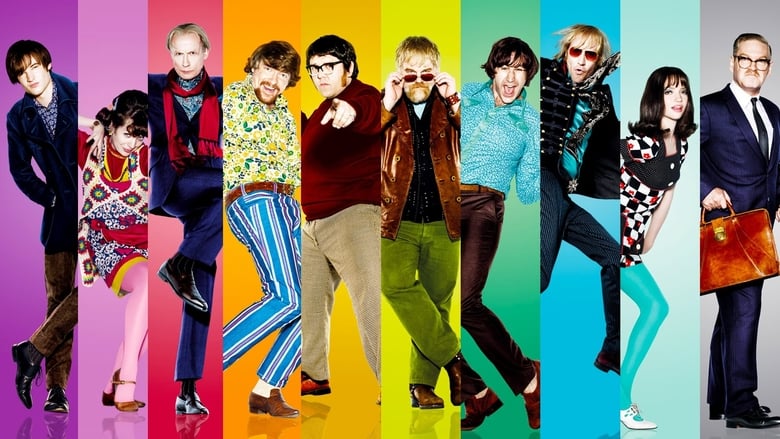
Curtis also wrote and directed The Boat That Rocked, set in 1966 aboard a ship broadcasting pop music from the North Sea, with Philip Seymour Hoffman, Bill Nighy, Rhys Ifans and Emma Thompson. Renée Zellweger returns as the nation's favourite diarist in Bridget Jones: Mad About the Boy, the fourth film of the series, in which Bridget, now a widowed mother of two, steps back into work and romance. Fever Pitch, from Nick Hornby's memoir, stars Colin Firth as a teacher whose first love is Arsenal Football Club, and Jack & Sarah gives Richard E. Grant a baby to raise with the help of an American nanny, Judi Dench and Ian McKellen.
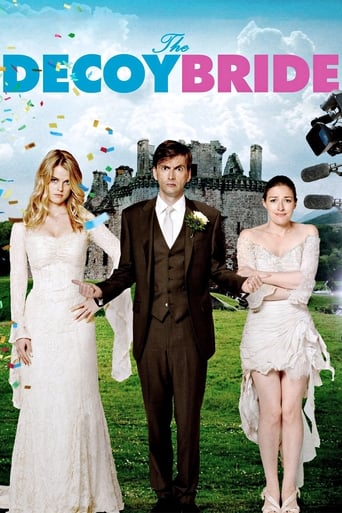
Scotland has a tradition of its own. Gregory's Girl, made by Bill Forsyth in 1980 in the new town of Cumbernauld, is a perfect comedy of first love, in which a gangling schoolboy falls for the girl who has taken his place in the football team; Gregory's Two Girls revisits him twenty years on. The Decoy Bride sends a film star and her novelist fiancé, played by David Tennant, to a Hebridean island, where Kelly Macdonald is hired to distract the photographers. Whisky Galore retells the famous story of an island and a shipwrecked cargo.
Among later films, Salmon Fishing in the Yemen pairs Ewan McGregor as a fisheries scientist with Emily Blunt as a consultant on an unlikely project. Starter for 10 follows a student, played by James McAvoy, onto his university's quiz team in 1985. Le Week-End takes a long-married couple, played by Jim Broadbent and Lindsay Duncan, back to Paris for their anniversary. Love Wedding Repeat plays one Italian wedding several ways, Made in Italy sends Liam Neeson and his real son to restore a Tuscan villa, and Boxing Day brings a writer home to his British-Caribbean family for Christmas. The romantic comedy page lists more.
Putting on a show
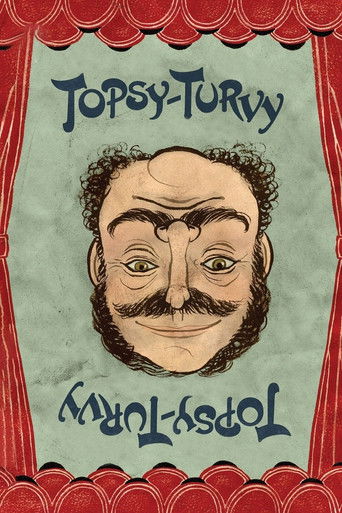
British films love a performance, and many of the best here are about people making music, theatre or pictures. Topsy-Turvy, Mike Leigh's 1999 film about Gilbert and Sullivan and the creation of The Mikado, is a rich portrait of a Victorian theatre company at work, with Jim Broadbent as W. S. Gilbert; it won two Academy Awards. The pair's own work can be enjoyed in The Pirates of Penzance, the 1983 film of the Broadway revival with Kevin Kline as the Pirate King, Linda Ronstadt and Angela Lansbury.
Little Voice stars Jane Horrocks as a painfully shy young woman in Scarborough who can sing exactly like the great stars in her late father's record collection, with Brenda Blethyn as her mother and Michael Caine as a small-time agent who hears his fortune in her. Still Crazy reunites a 1970s rock band twenty years after it fell apart, with Bill Nighy, Billy Connolly, Jimmy Nail and Timothy Spall. Backbeat tells the story of the Beatles' Hamburg days through their first bass player, Stuart Sutcliffe, and Greatest Days follows five friends bound together by a boy band, to the songs of Take That.
Amateurs have their films too. A Bunch of Amateurs brings a fading Hollywood star, played by Burt Reynolds, to a village production of King Lear. Save the Cinema is the true story of a hairdresser in Carmarthen, played by Samantha Morton, who led a campaign to rescue the town's old theatre. Swimming with Men finds Rob Brydon joining a men's synchronised swimming team, Blow Dry is set at a national hairdressing championship in Yorkshire, with Alan Rickman, and Tinsel Town sends an action hero, played by Kiefer Sutherland, into a Christmas pantomime.
True lives
Biography is another strength. Educating Rita, from Willy Russell's play, is fiction, but it belongs beside the true stories for its honesty: Julie Walters plays a Liverpool hairdresser who enrols for a university course, and Michael Caine her weary tutor, and both were nominated for Academy Awards. Iris tells the story of the novelist Iris Murdoch and her husband John Bayley, with Kate Winslet and Judi Dench sharing the title role and Jim Broadbent winning the Academy Award as the older Bayley.
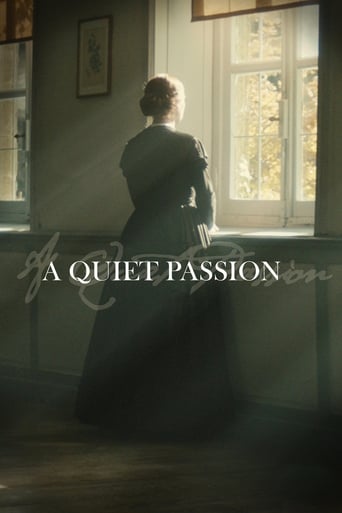
Painters and writers are well represented. Mrs Lowry & Son stars Timothy Spall as the painter L. S. Lowry and Vanessa Redgrave as the bedridden mother who doubts him. Final Portrait, directed by Stanley Tucci, watches the sculptor Alberto Giacometti, played by Geoffrey Rush, struggle to finish a painting. Modigliani stars Andy Garcia in the Paris of 1919, Effie Gray, written by Emma Thompson, looks at the marriage of the critic John Ruskin, and A Quiet Passion, by Terence Davies, follows the poet Emily Dickinson, played by Cynthia Nixon. Set Fire to the Stars recalls Dylan Thomas's first American tour, and Dreamchild imagines the elderly Alice Hargreaves, who inspired Alice in Wonderland, visiting New York in 1932.
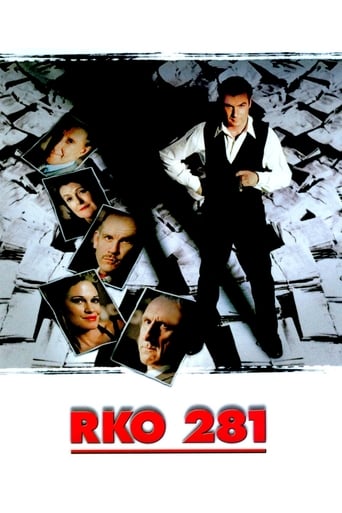
Other lives come from sport, cinema and public campaigns. The Flying Scotsman is the story of the cyclist Graeme Obree, who broke the world hour record on a bicycle he built himself. Made in Dagenham recreates the 1968 strike by women machinists at the Ford factory that led to the Equal Pay Act, with Sally Hawkins. The Life and Death of Peter Sellers stars Geoffrey Rush as the great comic actor, RKO 281 follows Orson Welles through the making of Citizen Kane, and Shackleton, with Kenneth Branagh, recreates the Antarctic expedition of 1914 in two long parts. On television, Dear England casts Joseph Fiennes as the football manager Gareth Southgate, and Wagner gives Richard Burton one of his last great roles. The true stories page gathers them.
Small lives, closely watched
Some of the most rewarding British films are modest in scale. Mike Leigh, who builds his scripts with his actors through months of rehearsal, has three films here besides Topsy-Turvy. Life Is Sweet, from 1991, spends a few weeks with a family in a north London suburb: Alison Steadman as the cheerful mother, Jim Broadbent as the father who buys a broken-down snack van, and Timothy Spall as a friend opening a restaurant with a startling menu. Hard Truths, from 2024, reunites the director with Marianne Jean-Baptiste, whose performance as the quarrelsome, wounded Pansy was widely praised.
The same attention to ordinary people runs through The Last Bus, in which Timothy Spall plays an elderly widower travelling the length of Britain, from John o' Groats to Land's End, on local buses with his free pass. Mrs Palfrey at The Claremont stars Joan Plowright as a widow in a London residential hotel who befriends a young writer. Is Anybody There? has Michael Caine as a retired magician and Bill Milner as the boy who lives in the home where he arrives. Driving Lessons pairs Rupert Grint, as a shy vicar's son, with Julie Walters as an eccentric retired actress who hires him for the summer.
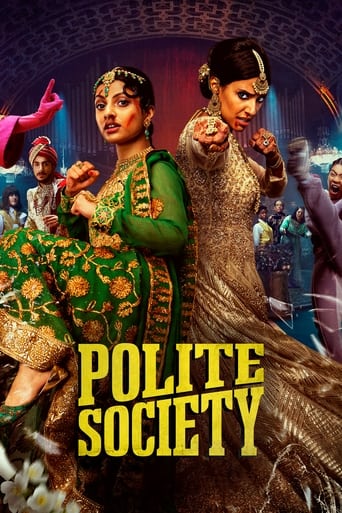
Younger characters lead Submarine, Richard Ayoade's stylish first film, about a fifteen-year-old in Swansea, played by Craig Roberts, who sets out to win a girlfriend and repair his parents' marriage; it is rated 7.4 from more than sixteen hundred votes. Days of the Bagnold Summer finds a librarian and her teenage son stuck with each other for six weeks, Sixty Six sets a boy's big family celebration on the day of the 1966 World Cup final, and Brian and Charles is a gentle comedy about a lonely inventor in rural Wales who builds a robot from a washing machine. Polite Society brings martial arts to a west London wedding, as a schoolgirl who dreams of being a stunt performer tries to rescue her sister.
Doctor Who and other fantasies
Twenty-one titles stand on the science fiction and fantasy shelf, and six of them are feature-length adventures of Doctor Who, the time traveller who has been part of British life since 1963. Doctor Who: The Five Doctors is the twentieth-anniversary special of 1983, which gathers several earlier versions of the hero in one story. Doctor Who: The Runaway Bride, with David Tennant, introduces Catherine Tate's Donna when she appears aboard the time machine in her wedding dress.
The Christmas specials are among the best-loved episodes of the modern series. Doctor Who: A Christmas Carol, with Matt Smith, borrows from Dickens and gives Michael Gambon the part of a miser on a distant planet; it is rated 8.0. Peter Capaldi's Doctor appears in three: Doctor Who: The Husbands of River Song, with Alex Kingston, Doctor Who: The Return of Doctor Mysterio, a salute to comic-book heroes set in New York, and Doctor Who: Twice Upon a Time, his farewell, in which he meets the very first Doctor at the South Pole. The Doctor Who page lists the six in order.
Elsewhere on the shelf, Atlantis reimagines Greek legend across twenty-five episodes, Outcasts follows settlers on a distant planet, and Dirk Gently brings Douglas Adams's holistic detective to the screen with Stephen Mangan. Sir Arthur Conan Doyle's The Lost World is present in two forms from 2001, a two-part series and a feature-length edit, both with Bob Hoskins as Professor Challenger; type the title into the search field to see them side by side. Terry Gilliam's Jabberwocky, with Michael Palin as a cooper's apprentice in a muddy medieval kingdom, is fantasy as farce. For younger viewers there are Terrahawks, Gerry Anderson's puppet adventure, and The Magician's House. The fantasy page has the full list.
Christmas
Ten films and specials make up the Christmas shelf. Three are the Doctor Who stories just described. Your Christmas or Mine 2 sends a young couple and both their families to the same Alpine resort by mistake. Surviving Christmas with the Relatives gathers two sisters and their households in a crumbling country house. A Very English Christmas and Boxing Day are romances, the second set among a large British-Caribbean family in London.
Last Train to Christmas gives Michael Sheen a magical railway journey in which each carriage carries him to a different decade of his life. Jack in Time for Christmas follows the comedian Jack Whitehall on a scramble home from America, and Tinsel Town has already been mentioned. The Christmas page sorts them by mood.
Modern drama in a few parts
British television has a gift for the short serial, a complete story told in three to six episodes. Marriage is one of the most distinctive: across four hours Sean Bean and Nicola Walker play a couple of thirty years' standing, and the drama lies in small gestures, half-finished sentences and loyalty. Us follows a methodical scientist, played by Tom Hollander, on a tour of European galleries with the wife and son he fears he is losing. Alice & Jack traces a bond between two people, played by Andrea Riseborough and Domhnall Gleeson, over fifteen years.
Finding Alice stars Keeley Hawes as a woman sorting out the surprising affairs of the husband who designed their new house. Gold Digger gives Julia Ormond the part of a woman of sixty whose grown children distrust her younger partner. The Trouble with Maggie Cole has Dawn French as a village historian whose gossip is broadcast on local radio. Film Club, from 2025, stars Aimee Lou Wood as a young woman whose weekly film night in the garage is her link to the world. You & Me interweaves three love stories in London.
Longer dramas include The Syndicate, in which each of four series follows a different group of workmates who win the lottery; The Indian Doctor, with Sanjeev Bhaskar as a Delhi-trained physician who takes over the surgery of a Welsh mining village in 1963; The Larkins, a sunny return to the Kent countryside of H. E. Bates, with Bradley Walsh as Pop Larkin; and A Very Peculiar Practice, Andrew Davies's sharp comedy-drama of a university health centre, with Peter Davison. Critical follows an hour in a major trauma centre in each of its thirteen episodes, and The Manageress, from 1989, imagines a woman taking charge of a professional football club. The short series page groups them by length.
For younger viewers and families
Several titles are made for children or suit a mixed audience. Byker Grove, set in a youth club in Newcastle, ran from 1989 to 2006 and, with 344 episodes, is by far the longest series in the collection; a number of well-known presenters and actors began there as teenagers. Dodger is a lively comedy for children about the young pickpocket of Dickens's novel before Oliver arrived, with Christopher Eccleston as Fagin. Thomas & Friends: The Great Discovery is a feature-length story of the tank engine, narrated by Pierce Brosnan.
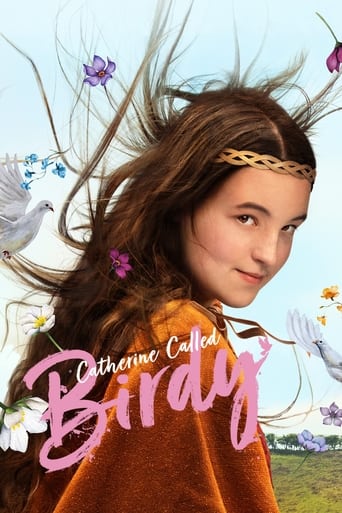
Loch Ness sends an American scientist, played by Ted Danson, to the Highlands, where a little girl knows more than his instruments. Tom Brown's Schooldays stars Stephen Fry as the reforming headmaster of Rugby School, and Three Men in a Boat, adapted by Tom Stoppard from Jerome K. Jerome's comic classic, takes Tim Curry, Michael Palin and Stephen Moore up the Thames. Fast Girls is a sports drama about two sprinters in the British relay team, with Lenora Crichlow and Lily James. Catherine Called Birdy, from the well-known children's novel, stars Bella Ramsey as a spirited girl of the thirteenth century.
The family page suggests titles for viewing with children, with teenagers and with grandparents, and the Christmas shelf is a ready source of films for a full sofa.
Stars to follow
One pleasure of a collection that covers sixty years is watching careers unfold. Jim Broadbent appears in eight titles, more than anyone else, among them Life Is Sweet, Topsy-Turvy, Iris, Bright Young Things, Le Week-End and Any Human Heart. Timothy Spall has seven, from Outside Edge to The Last Bus, and Peter Capaldi seven, including Fortysomething and Modigliani alongside his two most famous roles.
Julie Walters has five, from Acorn Antiques to Effie Gray, and Colin Firth five, beginning with Lost Empires in 1986 and including Hope Springs and Relative Values, a comedy from the Coward play, with Julie Andrews. Ian Holm has five, among them The Emperor's New Clothes, in which he plays both Napoleon and the humble sailor who takes his place. Lindsay Duncan has five, and Judi Dench, Michael Caine, Steve Coogan, Rob Brydon, Alison Steadman, Brenda Blethyn, Jane Horrocks, Keeley Hawes and Stephen Fry four each.
Younger viewers may enjoy spotting stars before they were famous: Benedict Cumberbatch in Fortysomething, Starter for 10 and Small Island, Tom Hardy in The Virgin Queen, Cillian Murphy in The Way We Live Now, and Maxine Peake in dinnerladies. Typing any name into the search field gathers that performer's titles in a moment, and the stars page suggests where to start.
Places on screen
Part of the appeal of British film and television is its sense of place, and the collection can be toured like a map. Scotland is the setting of Gregory's Girl, The Decoy Bride, Whisky Galore, Loch Ness and The Flying Scotsman, and of Glenrothan, the first film directed by the actor Brian Cox, in which two estranged brothers meet again at the family whisky distillery in the Highlands. A Shot at Glory follows a small Scottish football club on a cup run, with Robert Duvall as its manager.
Wales appears in Submarine, Save the Cinema, Brian and Charles and The Indian Doctor, and Dylan Thomas, its most famous poet, in Set Fire to the Stars. The north of England is home to Rising Damp, dinnerladies, Cold Feet, Hebburn, Byker Grove, Little Voice and Blow Dry, and to the Salford of Mrs Lowry & Son. Liverpool has The Liver Birds and Educating Rita, though the film itself was shot in Dublin. The Boys & Girl from County Clare and The Irish R.M., with Peter Bowles as an English magistrate posted to the west of Ireland in the 1890s, look across the Irish Sea.
London is everywhere, from the tower block of 15 Storeys High to the squares of Belgravia, the suburbs of Life Is Sweet and the literary household of Love, Nina. The English countryside and coast belong to The Larkins in Kent, Mapp and Lucia in Sussex, Boomers in Norfolk and The Cockfields on the Isle of Wight. Several stories travel abroad: to Provence in A Year in Provence, to Tuscany in Made in Italy, to Paris in Le Week-End, to India in A Suitable Boy, Beecham House and The Far Pavilions, to a Caribbean island in Water, with Michael Caine as its easy-going governor, and to the Antarctic in Shackleton.
Following a place is a pleasant way to choose. An evening in Scotland might pair Gregory's Girl with an episode of something newer; a week in Manchester could run from Victoria Wood's canteen to the friends of Cold Feet. The search field accepts place names where they appear in a summary, so typing a town or county will often turn up a title set there.
Top rated
The Top rated shelf holds the twenty-three titles with a TMDB rating of 7.0 or more from at least fifty votes. The Day Today leads at 8.2, followed by The Thick of It at 8.1 and three Doctor Who specials at 8.0. Brideshead Revisited stands at 7.9, Extras at 7.8, The Hollow Crown and I'm Alan Partridge at 7.4, and Submarine at 7.4. Are You Being Served? holds 7.3, Elizabeth I and The Boat That Rocked 7.2, and Top Secret!, the spoof of spy films and rock-and-roll musicals that gave Val Kilmer his first leading part, 7.1.
Ratings favour the widely seen, and many quieter series have high scores from smaller audiences. Love Soup holds 8.6, Martin Chuzzlewit 8.4, A Very Peculiar Practice 8.2, The Smoking Room and 15 Storeys High 8.1, and Rock & Chips, the affectionate account of the Trotter family of Peckham in 1960, 8.0. These are worth seeking out through the Series page, where they sit just below the famous names.
A few words worth knowing
A handful of terms recur around British television. A series, in British usage, is what Americans call a season: the first series of Cold Feet is its first run of episodes. A serial is a single story told in parts, like Belgravia. A special is a one-off episode, usually longer than normal and often shown at Christmas. A sketch show is a programme of short unconnected comic scenes, like Smack the Pony. A mock documentary borrows the manner of factual television for fiction.
Channels matter too. The BBC is funded by a licence fee and is free of advertising; ITV is its commercial rival, and companies within it such as Granada, Thames and Yorkshire made many of the series here. Channel 4, which began in 1982, has a duty to experiment and gave a home to much new comedy. Knowing where a series came from often explains its style.
Search and the A to Z
The search field in the top bar looks through titles, actors and writers as you type, and shows results at once. Typing Dench, Broadbent or Capaldi brings up a performer's titles; typing Dickens or Trollope finds the adaptations. A year works too, so 1994 finds Four Weddings and a Funeral, The Day Today and their neighbours. Common extra words such as "watch", "series" or "streaming" are set aside by the search, so a phrase copied from elsewhere still lands on the right page. The finding titles page describes all four routes.
The A to Z page lists all 230 titles in alphabetical order, with a row of letters across the top for jumping ahead. The Series and Films pages show each half of the catalogue with the most popular first.
My List
My List is a personal queue of things you intend to see. Press Add to My List on any title page and it joins the queue; the pink My List button in the top bar opens it, where each entry has its poster and a Remove button. The queue is held by the browser on the device you are reading this on, so it is waiting when you return from the same device, and the list page will hand you a copy as a file to keep or to carry elsewhere. The My List page explains each step.
A good use of the queue is to plan a season: the three Tudor dramas in order of the reign, say, or the Trollope serials back to back, added in one evening of browsing and enjoyed at leisure.
How Watch now works
Each title page has a country selector and a Watch now button. Choose your country from the fifteen offered, among them the United Kingdom, the United States, Canada, Australia, Ireland and New Zealand, and press the button. JustWatch opens on the page for that title and shows which subscription services include it, where it can be rented or bought, and any free services with advertising that carry it. Availability differs from country to country and changes over time, which is why EE3 points to a live source.
Older sitcoms and serials are often found on services devoted to British television, while recent films tend to appear on the large general platforms and in digital rental shops. Where a title is carried by several services, JustWatch lists them side by side.
A first fortnight
For a newcomer, here is one way to spend two weeks with the collection. Begin with laughter: an episode or two of Rising Damp and dinnerladies, then the six parts of The Day Today. Give a weekend to Four Weddings and a Funeral and Gregory's Girl. Start Brideshead Revisited and take it an episode a night.
In the second week, try Elizabeth I over two evenings, then Educating Rita and Little Voice for two great performances. Share Doctor Who: A Christmas Carol with the family. Watch Marriage for a modern drama and Extras for modern comedy, and finish with Topsy-Turvy. By then you will have favourites of your own to follow through the shelves.
Questions and answers
The questions below are those most often asked about EE3, with short answers. Fuller help is on the help pages, which cover watching, sitcoms, period drama, books on screen, romantic comedy, Christmas, satire, Doctor Who, true stories, fantasy, family viewing, stars, short series, finding titles and My List.
Questions
What is EE3?
EE3 is a guide to 103 films and 127 series made in Britain between 1967 and 2026, each with its cast, its episodes and a Watch now button to official services.
Which title should I watch first?
Start with Four Weddings and a Funeral for a film, Rising Damp for a classic sitcom and Brideshead Revisited for a serial.
Is the catalogue suitable for families?
Yes. Every summary was read by hand, and the selection favours comedy, period drama, literary adaptation, romance and family adventure.
How many episodes are listed?
The 127 series have 2,031 episodes between them, and each series page lists them season by season with their dates.
Which series are quick to finish?
Sixty-four of the series ran for a single season; Marriage, Us and Dear England have four parts each.
Which actors appear most often?
Jim Broadbent appears in eight titles, Timothy Spall and Peter Capaldi in seven each, and Julie Walters, Colin Firth, Ian Holm and Lindsay Duncan in five each.
How does My List work?
Press Add to My List on a title page. The queue is held by your browser on your device, and the list page will hand you a copy as a file.
Does EE3 host films or series?
EE3 is a guide only. Every Watch now button opens JustWatch, which lists the official streaming, rental and purchase services for your country.
